
Need dissertation writing help? This guide walks UK students through every step — from picking a topic to final submission — in simple, clear terms, so you always know exactly what to do next.
You’ve got a deadline, a blank page, and a slightly panicked feeling that everyone else already knows what they’re doing. They don’t. Writing a dissertation is less about talent and more about following the right steps in the right order — something most students only figure out halfway through, after a few avoidable mistakes. This guide breaks the entire process into clear, manageable stages, from picking a topic to final submission, based on how UK universities genuinely structure and assess dissertations. No jargon, no guesswork — just a clear roadmap you can actually follow. It is a good guide on how to write a dissertation that will explain proper research and citation methods.
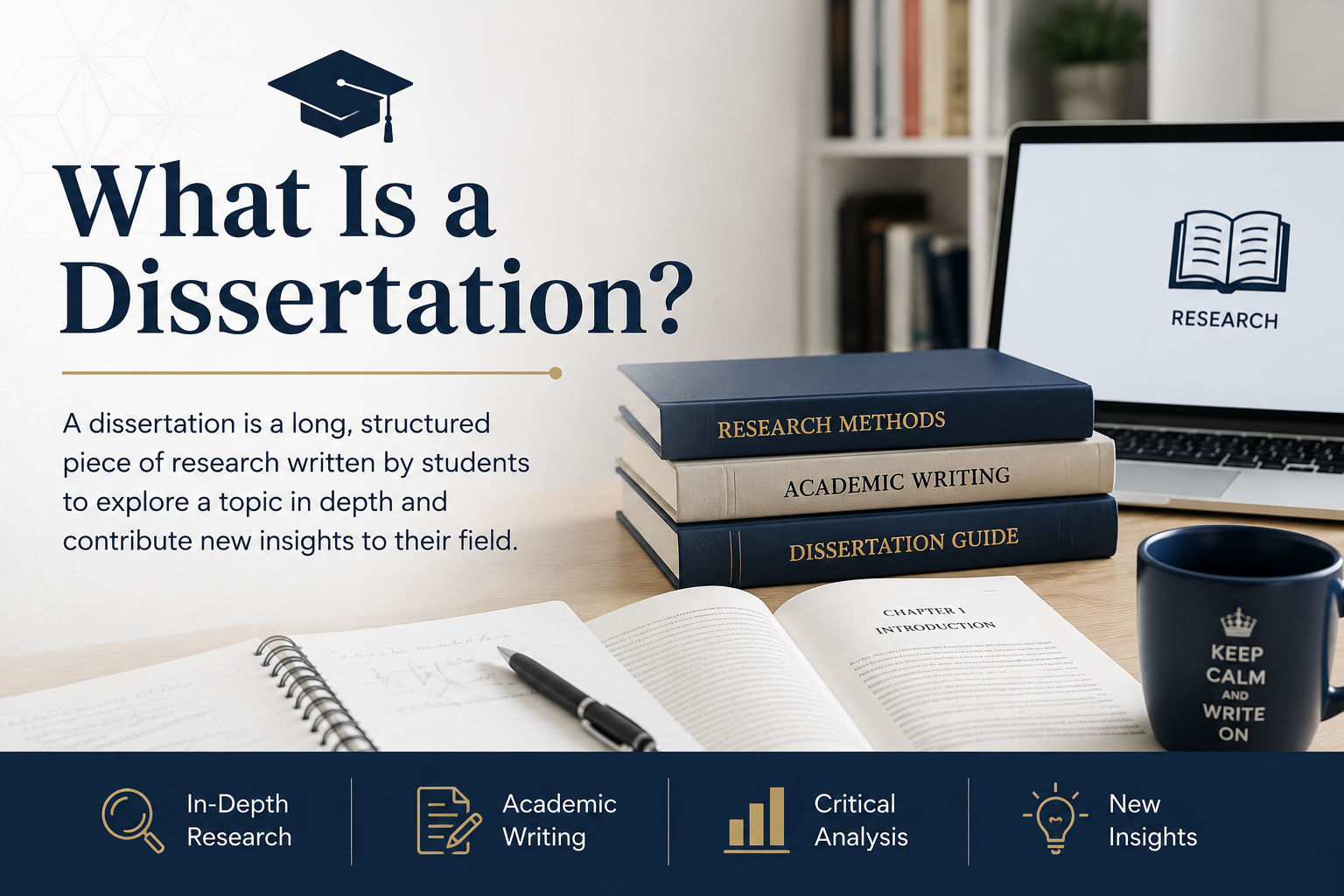
A dissertation is a long piece of independent academic writing that students complete near the end of their degree. It involves choosing a research question, exploring existing knowledge on the topic, collecting and analysing information, and presenting findings in a structured and formal way.
Table of Contents
ToggleUnlike regular essays, a dissertation reflects a student’s own research rather than summarising other people’s work. These are written in a standard requirement across most degrees, including undergraduate, master’s, and doctoral programmes. It is often the largest and most important piece of work a student produces during their entire course.
Many students use the words dissertation and thesis interchangeably, but in the UK they usually mean different things depending on the level of study. A dissertation generally refers to the long research project completed during an undergraduate or master’s degree.
A thesis, on the other hand, usually refers to the extensive research document submitted at the end of a doctoral degree. The doctoral thesis is typically much longer, more original, and expected to contribute new knowledge to a subject. Understanding this difference early helps students know what level of depth and originality their university expects from them.
Not every university in the United Kingdom expects the same thing from a dissertation. Requirements can vary based on word count, formatting rules, referencing style, and even chapter structure. A dissertation for an undergraduate degree in psychology may look very different from one written for a master’s degree in business or engineering.
Some universities expect a strong theoretical focus, while others place more importance on practical research or case studies. Because expectations vary so widely, students are strongly encouraged to check their own university handbook and speak with their supervisor before starting, rather than relying on general assumptions.
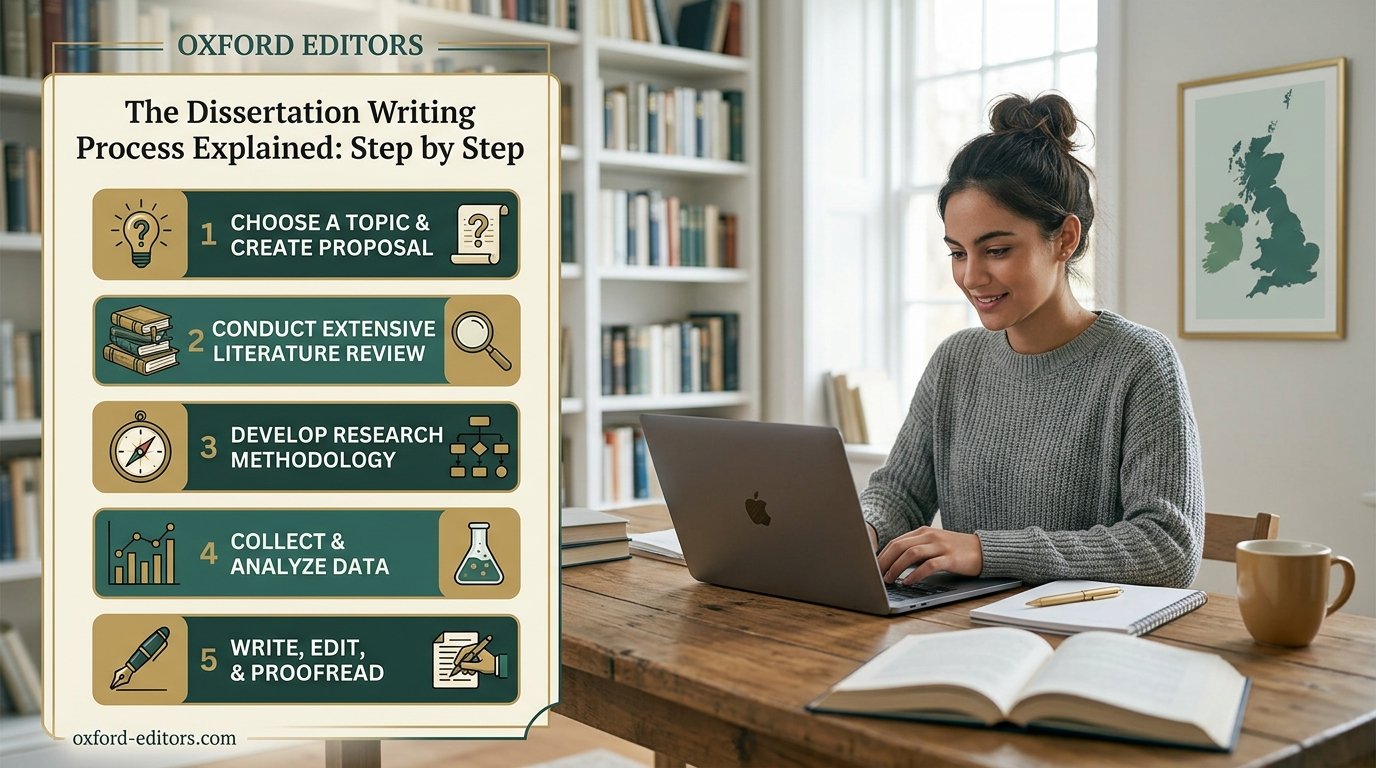
Start with something you genuinely find interesting. This makes the long process easier. Keep your topic clear and focused, not too broad. Check if enough research already exists on it. Talk to your supervisor early. A good topic sets the tone for your entire work, so take your time here.
Your proposal explains what you plan to research and why it matters. Keep it clear and simple. Include your main question, your goals, and how you plan to study the topic. This document guides your supervisor’s approval. A strong proposal makes the rest of your dissertation writing much easier.
This step involves reading what other researchers have already written about your topic. You are not just listing sources. You are comparing ideas, spotting gaps, and showing where your research fits in. A good literature review proves you understand your subject deeply before adding your own findings.
Here you explain how you plan to carry out your research. Will you use surveys, interviews, experiments, or existing data? You must justify your choice clearly. This section shows readers that your research approach is logical, reliable, and suited to answering your specific question properly.
Now you gather the actual information needed for your research. This could involve interviews, surveys, experiments, or documents. Once collected, you analyse the data carefully. Look for patterns, trends, or meaningful results. This stage often takes the most time, so plan your schedule accordingly.
With your research complete, you begin writing full chapters. Each chapter should flow logically into the next. Keep your sentences clear and avoid unnecessary complexity. Explain your ideas simply. Strong structure helps readers, including your examiner, follow your argument from beginning to end easily.
Once writing is complete, review your work carefully. Get proofreading services from experts. Check grammar, clarity, and structure. Make sure every source is referenced correctly using your university’s required style. Finally, follow your submission guidelines exactly. This final step protects all the hard work you have put into your dissertation.

The time needed to write a dissertation depends on your degree level and UK university requirements. Undergraduate dissertations in UK often take around three to six months, usually completed alongside other coursework. Master’s dissertations are shorter in duration but more intense, often written over a single summer term.
Doctoral theses can take one to several years, since they involve much deeper and more original research. Starting early always helps, since these involve many stages, including proposal writing, research, drafting, and editing. Rushing at the end usually leads to weaker results, so steady progress from the beginning is far more effective than last minute effort.
Many students pick a topic that is too broad or too narrow, which causes problems later in the dissertation writing process. Time management is another common struggle, since the work runs over many weeks with no fixed daily structure. The literature review often feels overwhelming, especially when students try to read everything before writing anything.
Writer’s block is also common, particularly during the middle stages when motivation naturally dips. Some students also struggle with staying consistent, especially when balancing part-time work, placements, or other modules alongside their dissertation. These challenges are completely normal and affect most students at some point during their research journey.
Supervisors recommend narrowing broad topics by focusing on one specific angle, location, or group rather than trying to cover everything. For time management, experts suggest setting small weekly targets instead of relying on motivation alone. Breaking the literature review into themes, rather than reading chronologically, saves significant time and reduces overwhelm.
To handle writer’s block, academic advisors often recommend writing rough sections out of order, starting wherever feels easiest that day. If workload becomes difficult to manage, take help from Oxford Editors academic writing services in UK, writing support centres, or your dissertation supervisor, since early guidance prevents small issues from becoming major setbacks later.
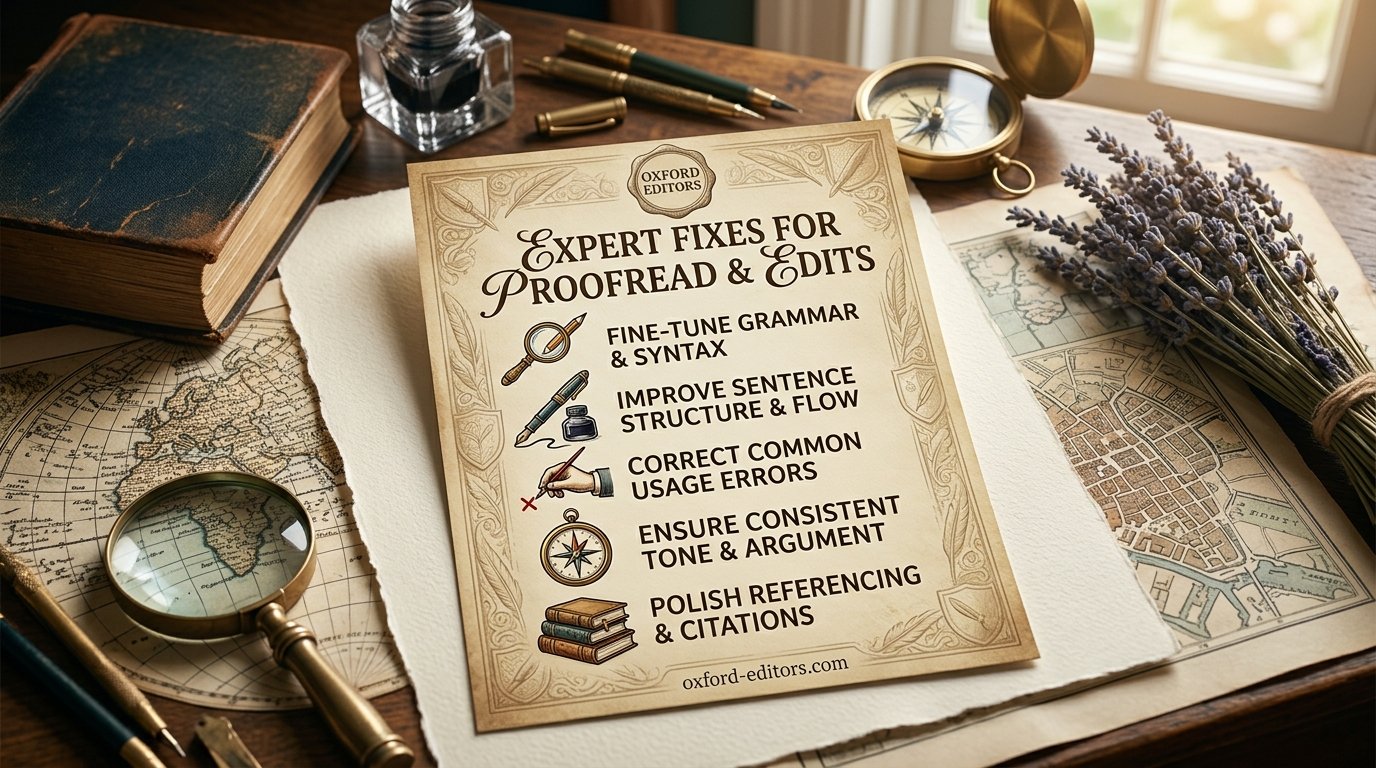
Most students rely on a mix of simple tools to stay organised and produce quality work. Reference management tools help keep citations accurate and consistent throughout the dissertation. Grammar and proofreading tools catch small errors before submission. University libraries and academic databases provide access to trustworthy journal articles and books.
Many students also use planning tools, such as calendars or spreadsheets, to track deadlines and progress. Supervisors remain one of the most valuable resources, offering guidance tailored to the specific topic. UK students often take help from professional editors for writing support, proofreading, and formatting checks before final dissertation submission. It is a good way to ensure a perfect submission.
Writing a dissertation feels hard at first, but it rarely stays that way for long. Once broken into small, clear steps, even the most complex research project becomes manageable. Many students search for tips on how to write a dissertation to manage their time. Every student faces uncertainty somewhere along the way, and that is completely normal. What matters most is steady progress, honest planning, and asking for guidance when it is genuinely needed. Your dissertation submission is not just a requirement to complete. It is proof of everything you have learned, questioned, and figured out along the way.
Oxford Editors, your trusted partner in academic excellence, offers expert dissertation help for students in UK. Sometimes a fresh pair of eyes makes all the difference. Oxford Editors offers professional proofreading, editing, and formatting support tailored specifically for UK dissertations. Whether you need help polishing your final draft or catching small errors before submission, our team of experienced editors ensures your work meets the highest academic standards, so you can submit with complete confidence.
Price depends on your academic level, subject, word count, and deadline. Urgent orders cost more than standard ones. We give you a free quote before you order, so there are no surprises.
Turnaround varies by length and level. Single chapters can be done quickly; full dissertations take longer. Tell us your deadline and we’ll confirm it is realistic before you commit.
Yes. Many students in UK only need help with their literature review, methodology, or data analysis. You can order one chapter or the full dissertation writing help, whatever suits your situation.
Yes. Oxford Editors Masters dissertation help covers proposals through final submission, with writers who hold relevant postgraduate qualifications and understand what Masters-level markers expect.
Yes. Your name, university, and order details stay private. We never share your information or reuse your work for anyone else.
Editing checks structure, argument, and referencing accuracy. Proofreading is a lighter, final pass for grammar, spelling, and formatting. You can order either, depending on how finished your draft is.
Yes. Every dissertation is written from scratch for your brief and checked with plagiarism software before delivery. A plagiarism report comes with your completed order.